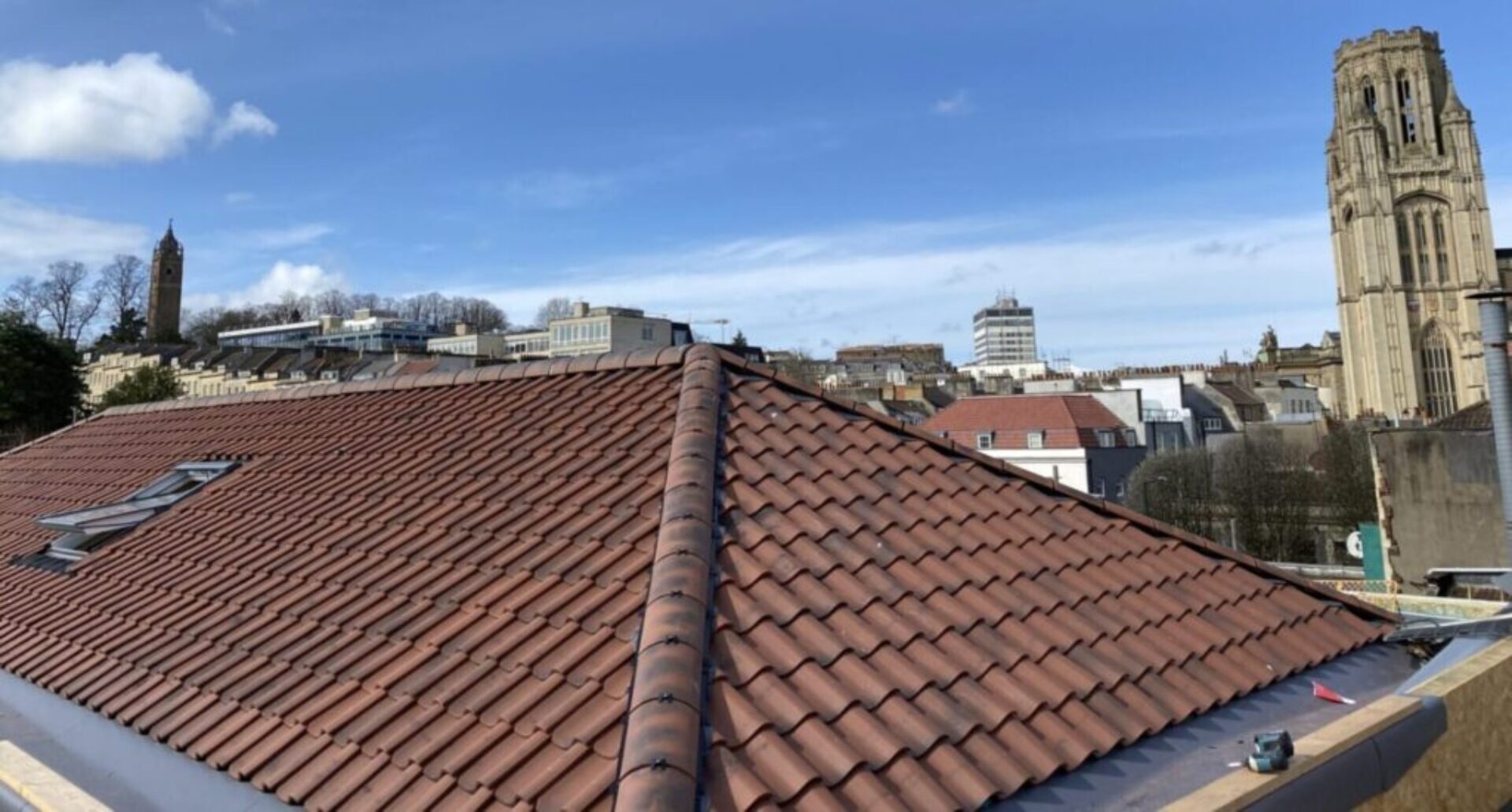
Why Roof Maintenance is Essential for UK Homeowners

Regular roof maintenance is a critical aspect of homeownership in the UK, ensuring both structural integrity and financial savings. The UK’s unpredictable weather, characterised by heavy rainfall, strong winds, and occasional snow, places significant stress on roofing systems.

Neglecting maintenance can lead to costly repairs, reduced property value, and compromised safety.

Firstly.

Proactive roof maintenance prevents minor issues from escalating. Small cracks, loose tiles, or clogged gutters can quickly worsen under harsh weather conditions, leading to leaks or structural damage. According to the National Federation of Roofing Contractors, addressing minor repairs promptly can save homeowners up to 80% compared to the cost of major renovations. Regular inspections, ideally conducted annually, allow for early detection and timely intervention.

Secondly.

A well-maintained roof enhances energy efficiency. Poor insulation or damaged roofing materials can result in heat loss, increasing energy bills. With energy prices in the UK having risen by over 50% in recent years, maintaining a weather-tight roof is essential for controlling household costs. Properly sealed and insulated roofs also contribute to reducing carbon footprints, aligning with growing environmental concerns.

Additionally, roof maintenance protects property value. A damaged roof can deter potential buyers, as it signals underlying issues and future expenses. Estate agents note that homes with well-maintained roofs often command higher market prices, offering a strong return on investment for homeowners planning to sell.

Finally, safety is paramount.

A compromised roof poses risks such as falling tiles or water ingress, which can damage interiors or cause accidents. Regular maintenance ensures the roof remains secure, safeguarding both residents and the property.

In conclusion.

routine roof maintenance is essential for UK homeowners to avoid costly repairs, improve energy efficiency, maintain property value, and ensure safety. Scheduling annual inspections and addressing issues promptly can protect your home against the elements and secure its long-term durability.

For professional advice, consult the certified roofing contractor; TRG – The Roof Group Ltd, save money and keep your roof in optimal condition.

Stop Press! – For Immediate Release

Successful UK Roofing Company Expands into General Maintenance and Building Services

TRG – The Roof Group Ltd, a trusted leader in roofing solutions based in the South of England, are excited to announce its expansion into general maintenance and building services. This strategic move broadens the company’s offerings, whilst providing commercial and private clients with comprehensive maintenance and construction solutions ‘all under one roof’.

With over 15 years of expertise in delivering high-quality roofing projects, TRG The Roof Group is now equipped to handle a wide range of services, including property refurbishment, extensions, renovations, and loft conversations. The expansion leverages the company’s skilled workforce, commitment to quality, and customer-focused approach to meet growing demand for trusted maintenance, and construction services.

“We’re thrilled to extend our expertise beyond roofing to offer wider building support solutions,” said Aaron Mansfield Operations Director. “This expansion allows us to better serve our clients, delivering seamless, high-quality projects from start to finish.”

TRG – The Roof Group is dedicated to maintaining its reputation for excellence, using sustainable materials and adhering to the highest industry standards. The company is now accepting orders for general maintenance and construction projects across the South of England and Wales.

For more information, contact

About TRG The Roof Group

TRG The Roof Group is a leading UK roofing specialist known to industry and private clients for its quality craftsmanship and customer satisfaction. Now expanding into construction and property maintenance services, the company continues to deliver exceptional results for residential and commercial clients.

ENDS

The Benefits of an Insurance-Backed Guarantee for Roofing

When it comes to roofing services, one of the most reassuring options homeowners can look for is an Insurance-Backed Guarantee (IBG). This additional layer of protection is offered by reputable roofing companies and provides peace of mind long after the job is completed. Here’s why an IBG is so valuable and why you should consider it when getting your roof done.

What is an Insurance-Backed Guarantee?

An Insurance-Backed Guarantee is a type of insurance policy that covers the cost of repairs or replacements if something goes wrong after your roof installation or repair. It’s typically provided by the roofing company, but the policy itself is managed by an insurance company.

In simple terms: If the roofing company goes out of business, the insurance will cover the cost of any necessary repairs or replacement of your roof.

Key Benefits of an Insurance-Backed Guarantee

1. Financial Protection for the Future

The primary benefit of an IBG is financial protection. Roofing projects are often a significant investment, and the last thing any homeowner wants is to pay for a new roof only to find out that the roofing company is no longer around if a problem arises later.

  • What it covers: If the roofing company goes out of business or ceases trading, the IBG ensures that you won’t be left footing the bill for repairs. The insurance company will step in and cover the costs.

2. Peace of Mind

A roof is one of the most important elements of your home. Knowing that you have an IBG in place means you’re covered for potential defects or issues that could arise in the years to come. This level of security brings peace of mind, knowing that you’re not solely reliant on the financial stability of the contractor.

  • Reassurance: If something goes wrong with the roofing installation or repair, you’ll be able to claim under the IBG, even if the company that did the work is no longer in business.

3. Increased Confidence in Choosing the Right Company

Reputable roofing companies often offer IBGs to their customers as a sign of their confidence in the quality of their work. If a company is willing to back its work with such a guarantee, it suggests a higher level of trust and professionalism.

  • Commitment to Quality: Offering an IBG signals that the roofing company stands behind its work and is confident that the job will be done correctly.

4. Protection Against Poor Workmanship or Material Failures

Even the most experienced roofing contractors can sometimes face issues with their materials or workmanship. An IBG protects you from defects or faults that might not be immediately visible or that could develop over time.

  • Common Issues Covered: This might include roof leaks, faulty flashing, or problems with the installation that could lead to future damage. The insurance would cover the cost of fixing those issues.

5. No Need for Additional Coverage

In many cases, homeowners don’t need to purchase separate warranty or insurance plans for their roofs if an IBG is in place. The insurance-backed guarantee essentially acts as an extended warranty that covers both materials and workmanship.

  • Cost-Effective: Rather than purchasing an additional home insurance rider or warranty plan for the roof, you’re already covered by the IBG, saving you on potential extra premiums.

6. Helps When Selling Your Home

If you decide to sell your property, an IBG can be a strong selling point. Prospective buyers are often wary of purchasing homes with a roof that might soon need attention. Having an IBG in place means the new homeowner is protected, which can make your property more attractive.

  • Transferable: In some cases, the IBG can be transferred to the new homeowner, giving them the same protection if they need to make any claims down the line. This makes your home more appealing and can be a selling advantage.

7. Regulatory Compliance

In some cases, especially with certain types of roofing projects (e.g., flat roofs), regulations or building codes might require an IBG to be in place. Working with a roofing company that offers an IBG ensures that you’re in line with these requirements.

  • Legal Compliance: An IBG ensures you are meeting industry standards, and if your roof is under warranty, it can help with future claims.

How to Ensure Your IBG is Valid

While an IBG offers significant benefits, it’s important to make sure that you’re getting a genuine policy. Here’s how to ensure its validity:

  1. Check the Terms and Conditions: Make sure you fully understand what the IBG covers. Different companies may offer slightly different terms, so it’s important to check the fine print.
  2. Verify the Insurance Provider: Ensure that the roofing company is working with a reputable insurer. The insurance provider should be registered with the Financial Conduct Authority (FCA) in the UK.
  3. Get Proof in Writing: When a roofing company offers you an IBG, ensure that they provide written confirmation of the guarantee, including details of coverage and duration. Keep this documentation safe.
  4. Know the Claim Process: Ask the roofing company for details on how you would file a claim under the IBG if necessary, and make sure you understand the process for claiming.

Conclusion: Is an IBG Worth It?

Yes, an Insurance-Backed Guarantee is definitely worth considering when having any roofing work done. It offers essential protection, gives you peace of mind, and often reflects the quality and professionalism of the roofing company you choose.

By securing an IBG, you ensure that even in the unlikely event of a roofing issue or company closure, you’re not left financially exposed. It’s an added level of security that can ultimately save you time, hassle, and potentially a lot of money in the future.

Here at TRG – The Roof Group we provide no additional cost Insurance Backed Guarantees through the NFRC CPS scheme when we are replacing over 50% of your roof. This comes alongside a buildings regulations approval certificate which is a statutory requirement.

When hiring a roofing company, it’s always advisable to ask about the availability of an Insurance-Backed Guarantee. It’s a smart move that will protect your investment for many years to come.

Quality vs Cost: Roofing Companies in the UK

When it comes to choosing a roofing company in the UK, the balance between quality and cost can be a challenging decision. While every homeowner wants the best roof for their property, budgetary constraints often come into play. Here’s a closer look at how you can navigate these two factors and make an informed decision for your roofing project.

1. The Importance of Roofing Quality

Your roof is one of the most essential parts of your property. It protects you from the elements, contributes to the energy efficiency of your home, and adds to its overall aesthetic value. Because of this, the quality of materials and craftsmanship used by the roofing company should be at the forefront of your decision-making process.

  • Longevity and Durability: High-quality roofing materials such as slate, tiles or flat roofing membranes can last decades longer than cheaper alternatives. A well-installed roof will typically require fewer repairs over the years, offering long-term savings.
  • Protection: A quality roof will offer better insulation, resistance to water ingress, and protection from adverse weather conditions like high winds and heavy rainfall.
  • Resale Value: Homes with well-maintained, high-quality roofs are more attractive to potential buyers. An investment in quality now can pay off in the future if you decide to sell your home.

2. The Appeal of Lower-Cost Roofing Options

On the other hand, budget considerations are often unavoidable. The cost of roofing services in the UK can vary significantly, and it’s understandable that some homeowners may lean towards more affordable options, especially if the existing roof doesn’t have major damage.

  • Initial Savings: Lower-cost roofing materials or companies that offer cheaper quotes may seem like an attractive option in the short term. However, this often comes at the expense of material quality or the expertise of the roofing contractor.
  • Simple Repairs or Temporary Solutions: For homeowners who don’t need a complete roof replacement but are looking for repairs, cheaper services might suffice in the short term. However, this can lead to additional costs down the line if the initial repair fails to fix the underlying issue.

3. Finding the Right Balance

Striking the right balance between cost and quality involves careful consideration of both your budget and the long-term needs of your roof. Here are some factors to help you find the sweet spot:

  • Do Your Research: Not all roofing companies are the same. Ensure you’re comparing like-for-like quotes, with detailed breakdowns of the services and materials offered. Some companies may offer lower costs but use subpar materials, while others may offer premium options but at a steep markup.
  • Consider a Mid-Range Option: If the highest quality roofing materials are beyond your budget, look for mid-range alternatives. For example, concrete tiles or fibre cement slates can provide good durability at a more affordable price.
  • Long-Term Costs: Consider the long-term costs associated with both high and low-cost options. Cheaper roofs may need frequent repairs, whereas a higher-quality roof could last much longer, potentially saving you money on repairs and replacements in the future.
  • Check for Warranties and Guarantees: Quality roofing companies will often offer warranties that cover both the materials and the labour. These warranties give you peace of mind that the company will stand by their work.

4. How to Evaluate Roofing Companies

When comparing roofing companies in the UK, consider the following factors to help assess their reputation and work quality:

  • Experience and Expertise: A company with years of experience in the roofing industry will have a track record of successful projects. Look for specialists who have knowledge of different roofing types.
  • Customer Reviews and Testimonials: Online reviews and customer testimonials provide valuable insight into the company’s quality of service, punctuality, and professionalism.
  • Certifications and Accreditations: Reputable companies will have certifications such as NFRC (National Federation of Roofing Contractors), Construction Line or TrustMark, which indicate they meet industry standards.
  • Detailed Quotes and Transparent Pricing: A quality roofing company will provide a comprehensive quotation explaining in detail what work will be completed. Be wary of companies offering unusually low prices with little explanation.

5. The Risks of Going Too Cheap

While it’s tempting to opt for the cheapest roofing company or a ‘man in a van’, going for the lowest price can have its risks:

  • Poor Workmanship: A cheap roofing contractor may cut corners, which could lead to leaks, poor insulation, or the premature failure of your roof.
  • Hidden Costs: Some contractors may provide an initial low quote but tack on hidden costs during or after the project. Be sure to have a clear agreement and contract in place to avoid surprise expenses.
  • Non-Compliance with Regulations: Lower-priced companies may not adhere to local building regulations or safety standards, and may not be insured, putting your home and your investment at risk.

6. Conclusion: Quality Should Be the Priority

While cost is undeniably a crucial factor in the decision-making process, prioritizing quality will often lead to better long-term outcomes. Investing in a durable, well-installed roof will protect your home, save you money on repairs, and add value to your property in the future. Remember that a quality roofing company will provide both excellent materials and professional expertise, ensuring that your roof not only looks good but also performs well for years to come.

When choosing a roofing contractor, take the time to research companies, compare quotes, and make sure you’re getting the best balance of cost and quality.

Here at TRG -The Roof Group we follow the guidelines set out above to ensure we deliver a quality product to you. We are fully approved for buildings regulations approval and quality assessed by both the NFRC and Construction Line.

A New Roof and Buildings Compliance When Selling your Home?

Did you know that if you don’t have a Buildings Compliance Certificate and have installed a new roof you may find it difficult to sell your property in the future?

Most people of heard of ‘FENSA’ when replacing their double-glazing, but did you know that if you are planning to replace more than 50% of your roof covering you are legally obliged to obtain a Building Regulations Compliance Certificate (BRCC) from your local authority Building Control?

But TRG The Roof Group completely removes this problem for you!

Unlike the vast majority of roofing firms TRG The Roof Group are approved to self-certify our work by the planning inspectorate through the NFRC CPS scheme.

This means that when we replace your roof covering you will receive a Buildings Regulations Compliance Certificate to keep in a safe place for use if you ever move house in the future.

Trust TRG – The Roof Group to make everything a lot easier!

How Much Does a Roof Cost?

How much will my new pitched roof cost? This is a question that comes up more often than you would think.

So how much does a roof cost? The general perception is that all roofs are generally the same so the obvious conclusion is that the cost for a replacement must be about the same for all of them hence the often heard “all I need is the lowest quote”.

But that is not the case.

First let’s consider the different aspects of a pitched roof design that would affect the costs for replacement.

An Example of Roof Valley

Valleys – some roof designs incorporate a valley or multiple valleys where the different angles of the roof come together. Not all roofs have valleys it just depends on the design. Roof valleys are usually lined with lead (although alternative materials are available). Lead is very resilient, and malleable (flexible) it can also be welded at relatively low temperatures at joints. It is a material that has been used for hundreds of years in roof construction because of these properties. Valleys also require each individual tile to be cut to the appropriate shape.

A Roof Hip

Hips – where sloped edges of roofs come together are called hips. Not all roofs have hips because some roofs are just two sides joined at the tops hence no ‘hips’. Hips require additional specific hip tiles and a specific method of fixing which adds to the cost. As with valleys hips require each tile to be cut to fit the profile of the hip. Some more elaborate hip styles include ‘laced hips’ where a specific type of hip tile is used and mortared into place for a more traditional finish.

Ridges – depending upon the design the length of the roof ridge differs. Ridges also require specific methods of fixing depending upon the roof design.

Parapets – You may have noticed that on some roof designs you can not see the edges of the roof this is especially noticeable on older terraced properties in cities. What you can see is what looks like the wall goes higher than the roof. This is a parapet. Parapets are a sort of valley and again lined with lead but usually a larger area than a valley and usually requiring welding and chasing (cutting into) the brickwork to ensure a watertight installation.

Soakers and flashings – Again depending on the style of the roof different types and lengths of flashing and their corresponding soakers (where the flashing meets the roof covering) are required. Soakers and flashing join the roof covering to any abutments such as a chimney or an extended party wall.

Now having discussed a few types of roofing details and how they differ across different styles of roof design you can see how there are many different types of materials, different types of skill required and different times for the work to be completed. We haven’t even begun to talk about different types of roof coverings from slates to concrete tiles to flat roof details and the differing costs of the differing areas required.

Capability of the contractor- Now let’s consider who will complete your work. The roofing industry can be said to be a competitive industry. A multitude of suppliers quoting to win work. As we have discussed the lowest price isn’t always the best. At TRG The Roof Group we are members of the National Federation of Roofing Contractors (NFRC). The NFRC assesses our capability and competency as roofers. When choosing a roofer make sure you check their member credentials by logging on to the NFRC website. Remember many companies say they are members when they are not!

Finally

As all of these considerations and many more go toward the actual cost of an individual roof. I hope you can now see why the question of ‘how much does a roof cost’ is never a fixed number!

Because you cannot change the fundamental design of your roof we believe there are much more important questions to ask if considering a roof replacement which may last over 50 years.

These questions should include;

  • Will the work be completed to a quality standard?
  • How do I want the finished roof to look, and what covering will I choose?
  • What guarantee of quality will I get?
  • Is the company I choose a reputable company with many examples of previous work?

I’ll add an article on things to consider when choosing a flat roof at a later date.

To help you with your choice contact TRG – The Roof Group and we will talk you through all of your options!

The Dry Ridge System

This article provides a review of the installation, benefits and costs for replacement or repair of a dry ridge system.

Do I need a Dry Ridge Roof System?

In one word, yes. A dry ridge roof system is a method of fixing ridge tiles to your roof. While there are two methods – traditional mortar and dry ridge, each with their own benefits dry ridge is now a building requirement for all new roofs since BS 5534 was introduced. This article will take a look at the installation, benefits and costs for roof replacement or repair.

Dry System Hips
What is a dry ridge system?

A dry ridge system refers to a method of installing a new roof by mechanically fixing ridge tiles, or hip ridge tiles, to a roof.

The process does not include the traditional sand and cement mortar, instead it relies on a dry fix system that usually uses screws.

The stainless steel screws attach clamps between the joints of the dry ridge tiles, thus clamping them to the roof. Underneath the screws are also waterproof unions, designed to catch rainfall and disperse it sideways to reduce the risks of roof leaks during heavy rainfall.

What is the traditional method?

Traditional sand and cement have long been used by roofing contractors to fix tiles to a roof. Today, most buildings benefit from the modern dry ridge roof system, but the likes of historic properties preserve their heritage with traditional mortar.

Traditionally, roof tiles were attached with mortar, which can, subsequently, be affected by weak mixes and environmental and weathering issues. For instance, traditional mortar does not cater to the natural movement of a house, thus affecting the structural integrity of the roof. Due to this – and many other factors – concerns were raised by the UK building authorities on the longevity, meaning more roofing contractors started to use dry ridge systems.

Benefits of a dry ridge system

As mentioned above, a dry ridge roof is now a building requirement for any new properties in the UK. TRG The Roof Group use the dry ridge system for a number of reasons.

Maintenance

Dry ridge systems retain their quality over the years, as they are adverse to many environmental factors. For instance, the dry ridge tiles will move with the natural changes of the property, thus keeping the integrity of the roof. However, as with mortar systems we do suggest keeping an eye on your roof. A quick check, from the ground, a few times a year should help you identify any signs of wear and tear.

Easier to install

The process for installing a new roof when it comes to the dry ridge system is significantly easier than the traditional mortar method. It’s hassle free and, due to using fewer materials, the project is quick and painless.

Ventilation

Ventilation is critical for any roof to ensure there is no build up of condensation, which can later result in damp. A dry ridge system provides discreet ventilation, therefore avoiding any harmful build-up and unnecessary costs to put right.

Dry ridge system vs mortar

We have touched on the differences above, but there are major variations in installation, maintenance and cost;

Wind

Over the years, many external factors – out of your control – can affect the bond of your mortar roof tiles. Therefore, they can eventually to blow off the roof and cause further damage in adverse winds. However, if installed correctly, dry ridge roof tiles will not blow off under normal, windy conditions.

Flexibility

If there’s one thing we can say about traditional mortar roofs, it’s they lack flexibility. Due to their underlying construction Roofs move as a result of vibrations from roads, train tracks and even runways, as well as natural expansion and contraction. Therefore, your roof must cater for flexible movement. Dry ridge roof tiles offer this movement and will ensure the structure of your roof, unlike mortar.

Costs

A traditional mortar roof will require more roofing maintenance over the years, due to the mix degrading. Therefore, you will have to pay more over time to ensure the roof is maintained, whereas a dry ridge system lasts longer.

Can I convert my old roof to dry ridge?

Yes! If you would like to convert your new roof to a dry ridge system, it’s a simple process. If the existing mortar is ageing, roofs are an ideal candidate for this service. If all of the mortar is loose enough, the roof tiles can be removed without damage. However, if they are not, it may not be worthwhile considering whole roof replacement.

How do I know whether it is required?

  • Loose or unsafe ridge tiles
  • Your roof is leaking
  • The ‘felting’ has degraded over time
  • Wind has damaged your roof
  • A roof replacement is required

You can get in touch with our team immediately via our contact form or give us a call on 07717 811560 and TRG – The Roof Group will provide a free no obligation quotation.

Styles and Tiles (and slates!)

In this guide we discuss how to choose the right tiles to suit your style.

When it comes to finishing a roof, there’s an array of roof tile types to choose from, with options available in various materials, shapes, profiles and sizes. Choosing the right one often comes down to aesthetics, but other factors to consider will include the roof pitch, weight, weather resistance, sustainability and budget and of course the tiles to suit your style.

We’ve put together this guide to help ensure the best choice of roof tile for your project.

One of the first things to consider when making a choice is the material of the tiles. Roof tiles come in a wide range of materials, including clay tiles, concrete tiles and slate. Other options may include natural stone and fibre cement.

A Slate Roof

When considering a new roof most people consider how they would like the finished roof to look when complete. With pitched roofing the finished look mainly down to the choice of tiles or slates. Tiles and slates come in many formats and prices, from original slate through slate substitutes to concrete tiles and finally clay.

When it comes to material, which roof tile type is best? The answer is: it depends on the project!

Since the material will play a big part in the overall appearance of the roof, think about what looks good. Also, look at what roof tile types other buildings in the area use and then choose the tiles to suit your style and whether you want your roof to stand out or blend in?

Other considerations include the material’s durability, longevity, wind resistance, weight, maintenance requirements, ease of installation and cost.

Textured Finishes

Tiles and slates also come in many different finishes from riven to rough to smooth. and of course all come in many different colour ways. For a selection of the different options open to you that TRG – The Roof Group supply and fit all styles and types.

Delivering Quality Work

In this article we provide a small insight into some of our approach and techniques to managing and delivering quality work to you the customer.

We want our residential customers to know what they are buying and why. Understandably many people are not aware of the intricacies and the skills required within the roofing profession and how these skills result in the quality work that they desire. Below we have tried to provide some information to help you the customer, identify the important things to consider and make the right choice when selecting your roofing supplier.

We know the difference between quality assurance (the processes and controls to achieve a quality job) and quality inspection (the process of ensuring the work delivered follows the assurance process). In all of our work we try to identify how we can consistently control our quality, accurately measure it, improve upon it, and ultimately improve our quality by constantly seeking to implement those improvements for you.

Lead Work

At the TRG-The Roof Group we pride ourselves on being the best lead workers in the region. As a complex task that requires patience skill and experience we believe we are the best. Good lead work is essential to ensure watertight joints and prevent water ingress. In roofing this quality requirement is a must.

Did you know that there are at least 5 different ‘codes’ of lead used in roofing? Choice of the correct code is essential to prevent water ingress. This lead code relates to the thickness and type of lead used. Selection of the correct code is based on the application. For example; large areas that could be subject to temperature fluctuations resulting in expansion and shrinkage need a different code to a smaller chimney flashing. For smaller details perhaps a thinner code is required which will prevent cracking when creating the detail. So if your roof includes such features as chimneys, valleys, and parapets using the correct lead code is essential to prevent water ingress both now in the future. We know the codes and which to select for each application, we don’t just select the cheapest code as some do.

Edging and Cutting Of The Roof Covering.

Many pitched roofs contain both ‘valleys’ and sloped ridges known as hips. It is essential the cuts on these details are all straight and true. To us this is a key quality issue (from what we’ve seen perhaps not so much for other roofing firms) and we pride ourselves on the straight and true lines we achieve on the finished roof.

Of course these are only two items out of the many roofing tasks required to achieve the finished result. We hope that by describing our approach on these two tasks you will trust us to always strive to achieve a quality product.

Quality Work Matters!