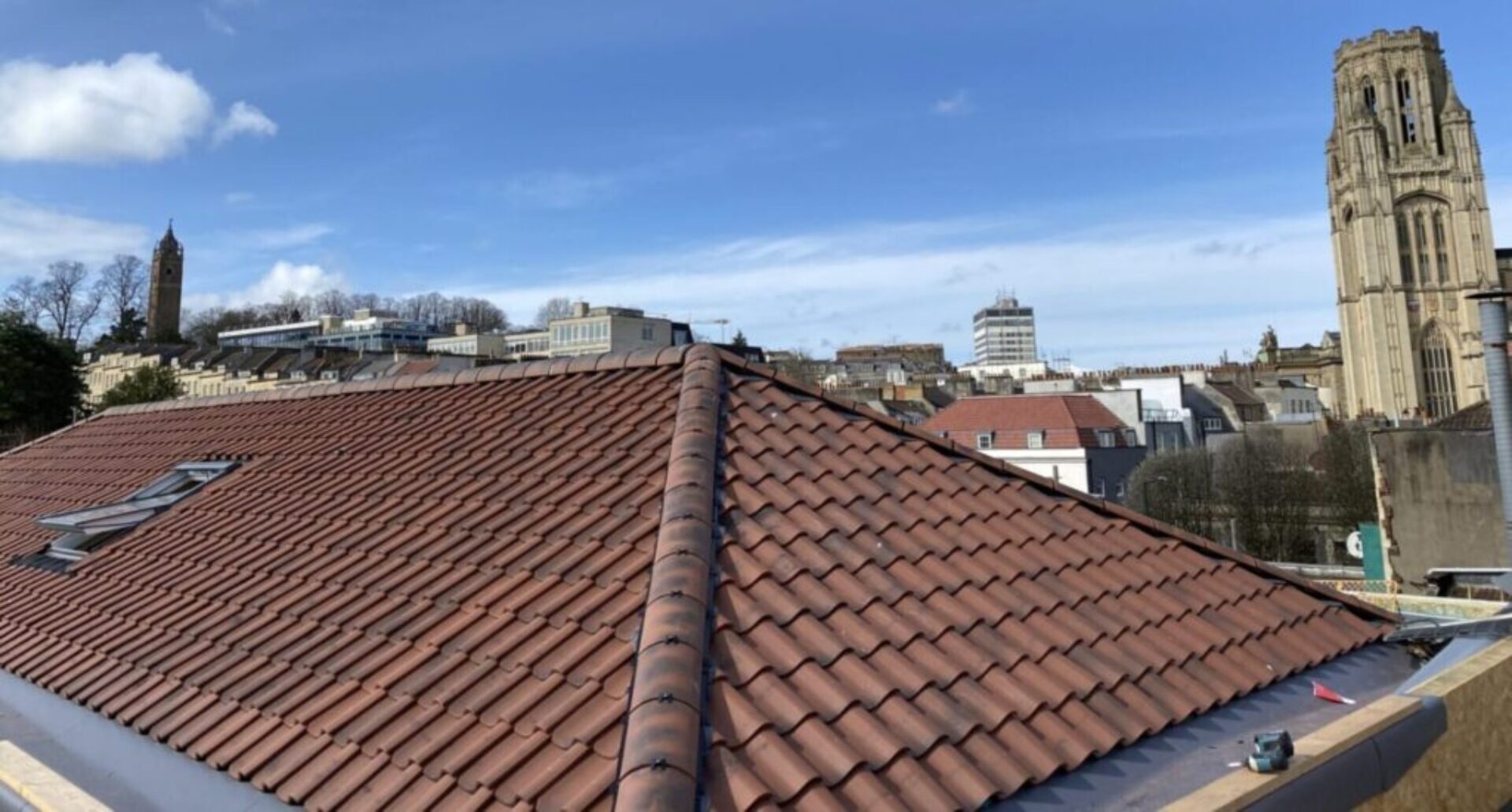
Styles and Tiles (and slates!)

In this guide we discuss how to choose the right tiles to suit your style.

When it comes to finishing a roof, there’s an array of roof tile types to choose from, with options available in various materials, shapes, profiles and sizes. Choosing the right one often comes down to aesthetics, but other factors to consider will include the roof pitch, weight, weather resistance, sustainability and budget and of course the tiles to suit your style.

We’ve put together this guide to help ensure the best choice of roof tile for your project.

One of the first things to consider when making a choice is the material of the tiles. Roof tiles come in a wide range of materials, including clay tiles, concrete tiles and slate. Other options may include natural stone and fibre cement.

A Slate Roof

When considering a new roof most people consider how they would like the finished roof to look when complete. With pitched roofing the finished look mainly down to the choice of tiles or slates. Tiles and slates come in many formats and prices, from original slate through slate substitutes to concrete tiles and finally clay.

When it comes to material, which roof tile type is best? The answer is: it depends on the project!

Since the material will play a big part in the overall appearance of the roof, think about what looks good. Also, look at what roof tile types other buildings in the area use and then choose the tiles to suit your style and whether you want your roof to stand out or blend in?

Other considerations include the material’s durability, longevity, wind resistance, weight, maintenance requirements, ease of installation and cost.

Textured Finishes

Tiles and slates also come in many different finishes from riven to rough to smooth. and of course all come in many different colour ways. For a selection of the different options open to you that TRG – The Roof Group supply and fit all styles and types.

Delivering Quality Work

In this article we provide a small insight into some of our approach and techniques to managing and delivering quality work to you the customer.

We want our residential customers to know what they are buying and why. Understandably many people are not aware of the intricacies and the skills required within the roofing profession and how these skills result in the quality work that they desire. Below we have tried to provide some information to help you the customer, identify the important things to consider and make the right choice when selecting your roofing supplier.

We know the difference between quality assurance (the processes and controls to achieve a quality job) and quality inspection (the process of ensuring the work delivered follows the assurance process). In all of our work we try to identify how we can consistently control our quality, accurately measure it, improve upon it, and ultimately improve our quality by constantly seeking to implement those improvements for you.

Lead Work

At the TRG-The Roof Group we pride ourselves on being the best lead workers in the region. As a complex task that requires patience skill and experience we believe we are the best. Good lead work is essential to ensure watertight joints and prevent water ingress. In roofing this quality requirement is a must.

Did you know that there are at least 5 different ‘codes’ of lead used in roofing? Choice of the correct code is essential to prevent water ingress. This lead code relates to the thickness and type of lead used. Selection of the correct code is based on the application. For example; large areas that could be subject to temperature fluctuations resulting in expansion and shrinkage need a different code to a smaller chimney flashing. For smaller details perhaps a thinner code is required which will prevent cracking when creating the detail. So if your roof includes such features as chimneys, valleys, and parapets using the correct lead code is essential to prevent water ingress both now in the future. We know the codes and which to select for each application, we don’t just select the cheapest code as some do.

Edging and Cutting Of The Roof Covering.

Many pitched roofs contain both ‘valleys’ and sloped ridges known as hips. It is essential the cuts on these details are all straight and true. To us this is a key quality issue (from what we’ve seen perhaps not so much for other roofing firms) and we pride ourselves on the straight and true lines we achieve on the finished roof.

Of course these are only two items out of the many roofing tasks required to achieve the finished result. We hope that by describing our approach on these two tasks you will trust us to always strive to achieve a quality product.

Quality Work Matters!